Start with the path the water is taking
Water can enter at flashing, a penetration, damaged covering or a transition between roof sections. It can also travel before it becomes visible indoors. Replacing shingles at the ceiling stain's location may miss the actual opening.
A useful assessment identifies the likely entry point, the condition of the surrounding materials and any damage below the covering. The repair should address how those parts connect, not simply cover the visible spot.
When a repair is a practical option
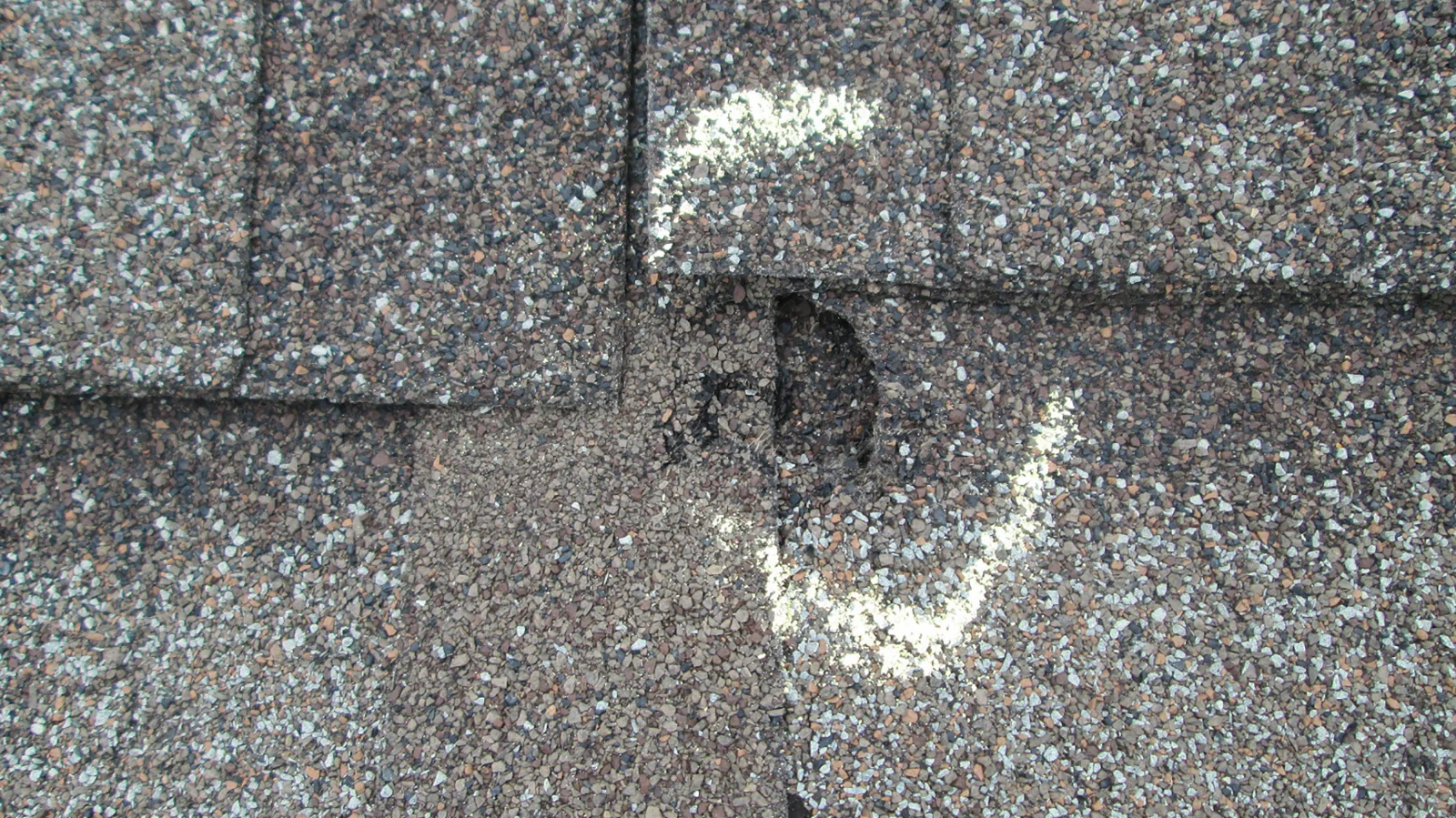
An isolated damaged area on an otherwise serviceable roof may be repairable. Examples include a limited flashing failure, a damaged pipe-boot detail or a small area of storm-damaged covering. The surrounding material must still be suitable for a durable connection.
Repairability also depends on access, brittleness, material availability and whether previous repairs have changed the assembly. The relevant question is how the proposed repair will work with the roof that remains.
When replacement becomes the stronger conversation
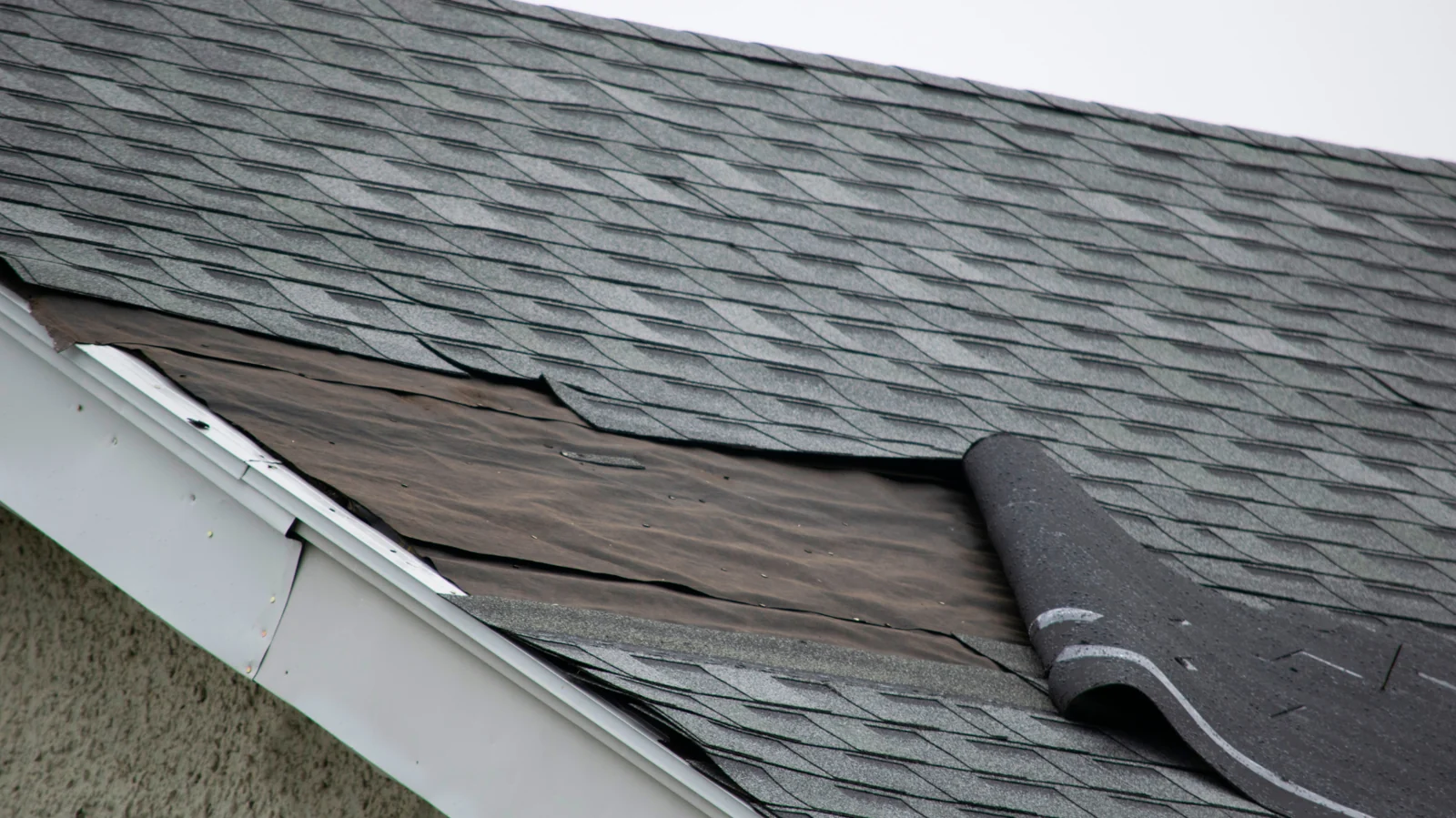
Widespread deterioration, repeated failures in different areas or a roof that cannot accept a sound repair can make replacement more sensible. Wet or deteriorated decking and underlying materials can change the scope once the roof is opened.
Age is useful background, but it is not a diagnosis. Two roofs of similar age may have different materials, installation details and histories. Ask for the condition findings that connect a replacement recommendation to the property.
Compare the whole project
A replacement proposal covers more than a shingle name. It needs to address tear-off, the deck, underlayment, flashing, edges, ventilation, disposal and closeout. A repair proposal should be equally clear about the damaged area and its limits.
Keep immediate water protection separate from the permanent decision. Temporary tarping or another emergency measure may limit further intrusion while an assessment or larger project is arranged; it is not automatically the finished repair.
The permit follows the property and scope
Dallas, Fort Worth and other DFW cities do not all use the same reroof rules. Covering-only work, decking replacement and structural changes can be treated differently. The contractor should identify the actual permitting jurisdiction and scope before work begins.
Insurance coverage is a separate question. A professional condition report can help describe damage, but the policy and insurer determine a covered claim. Do not let a promise about insurance replace a clear roofing proposal.
Further reading
Common questions
Does one leak mean I need a full replacement?
No. The source of the leak, surrounding condition and repairability determine the options. A local failure can sometimes be repaired, while broader damage may justify replacement.
Can I compare the cost of repair with replacement from roof age alone?
No. The roof area, materials, access, existing condition and actual proposed work matter. An assessment is needed before a meaningful project price can be established.
Find companies for the work.
Explore actual roofing services, business details and Google review totals in the directory.
Browse roofing companies