Make active leaks and hazards the first priority
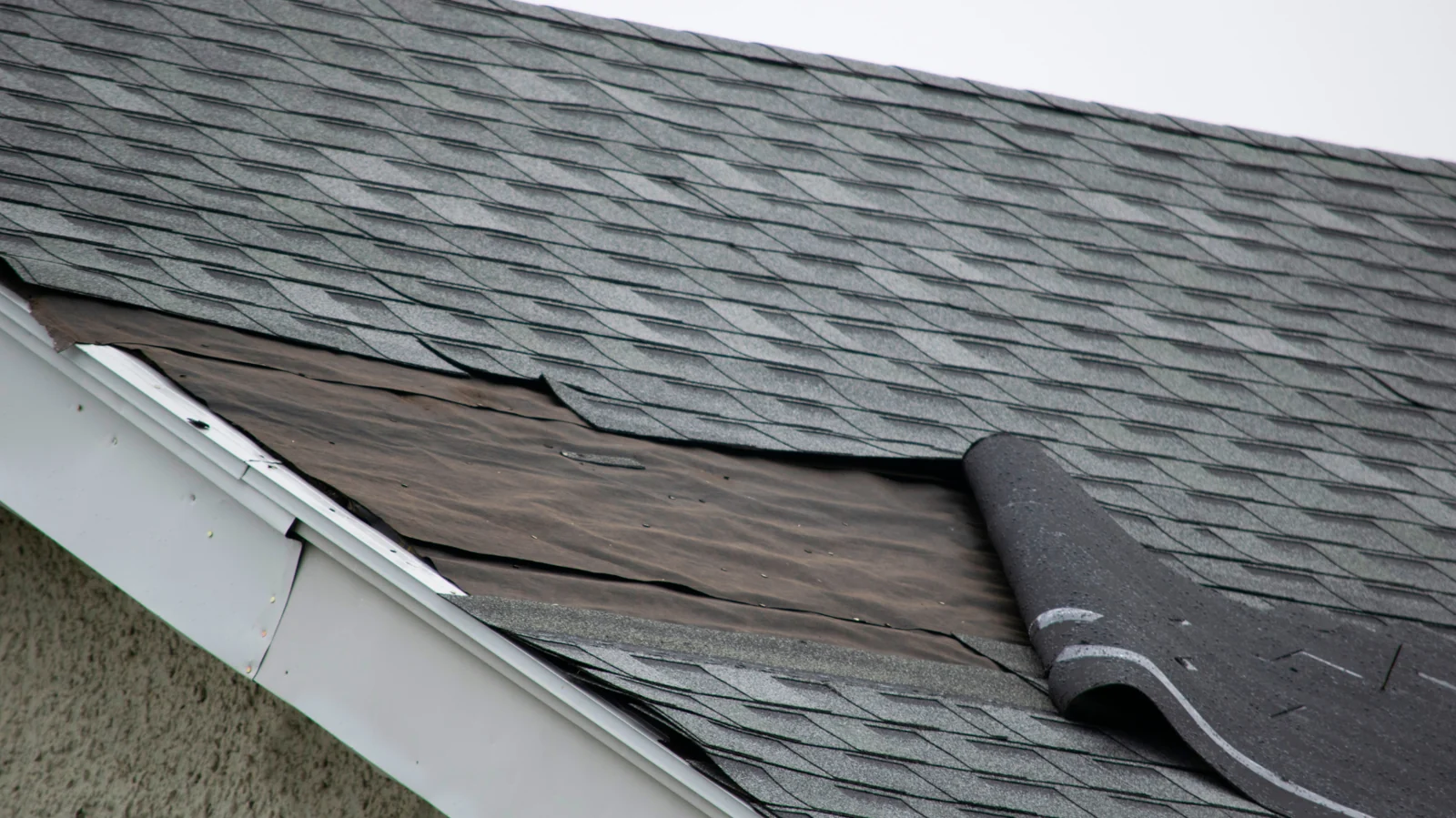
Stay clear of fallen lines, unstable trees and damaged roof areas. A roof with active water entry may need professional temporary protection while the damage is assessed. Save records of reasonable emergency measures and the damage they address.
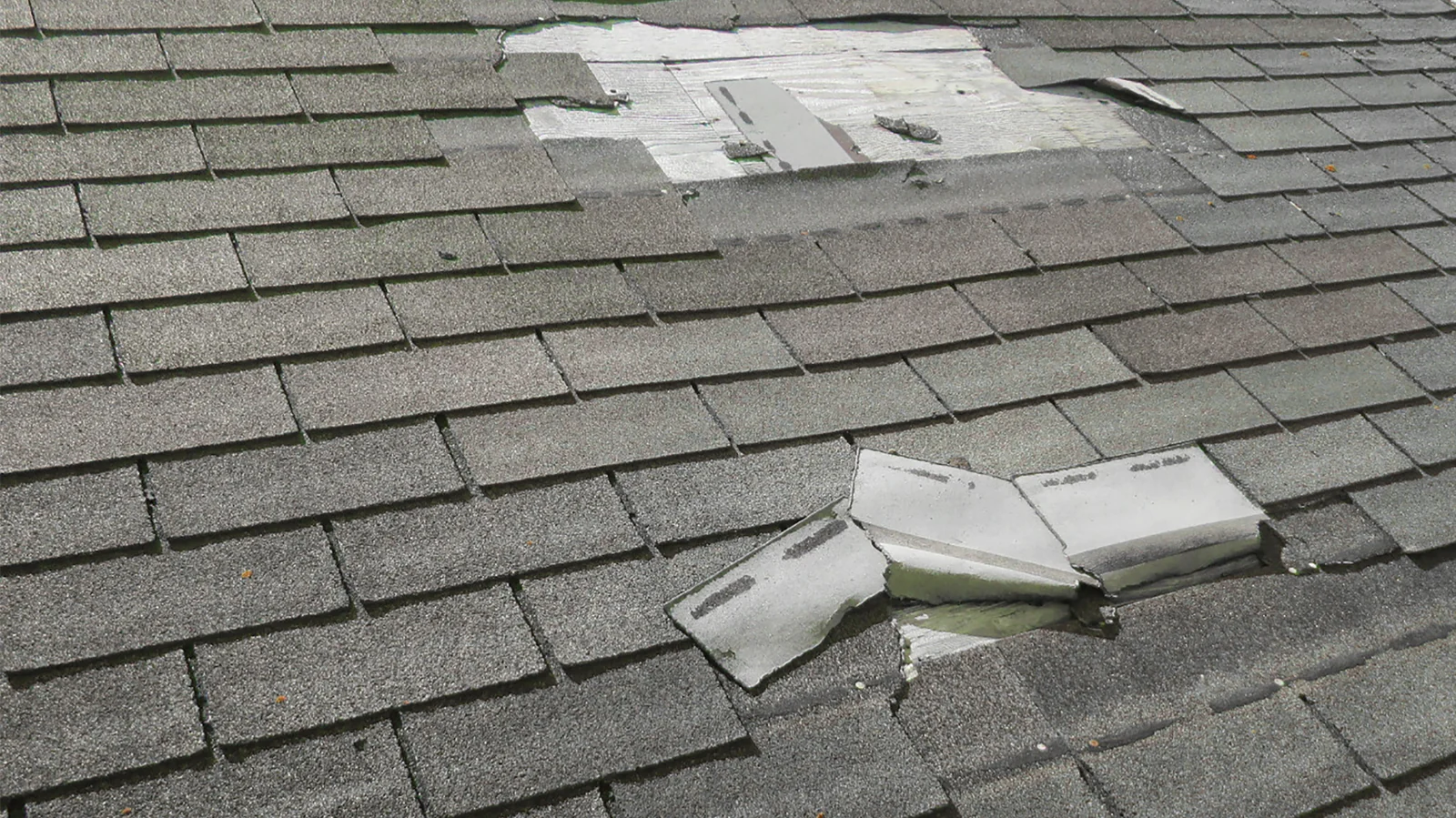
Interior stains, missing covering or debris can help describe the concern to a roofer. Do not climb onto a wet or damaged roof to produce an insurance photograph. Roof access should be left to people equipped to assess the conditions.
An inspection should explain the actual damage
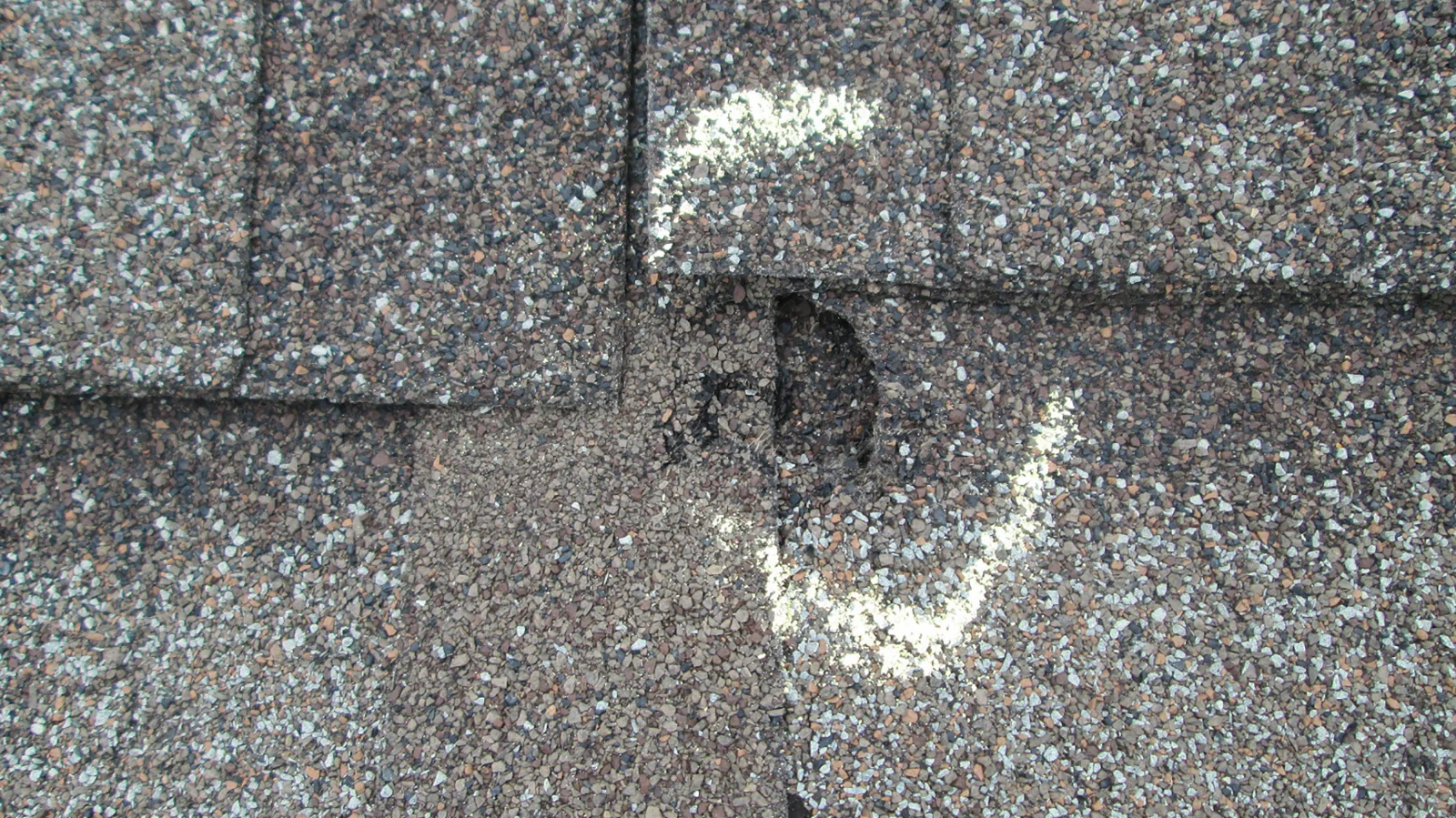
Hail in the area is a reason to investigate, not proof that every roof requires replacement. A useful assessment identifies the affected covering and details, the condition of surrounding materials and whether repairs can make a sound connection.
Wind can affect edges, flashing and attachments as well as the visible covering. The proposed work should connect to documented findings instead of assuming that the largest possible project is the right one.
Keep the roofing scope distinct from the claim
A contractor can inspect and describe damage and prepare a repair proposal. The insurance policy and insurer determine coverage. In Texas, a contractor doing the work cannot also act as the public adjuster on that same claim.
Review the actual deductible and roof-loss terms rather than relying on a general claim about what insurance pays. Replacement-cost and actual-cash-value coverage can produce different payments, and policy-specific limits may apply.
Avoid a rushed or unclear contract
TDI warns about documents presented as estimates or roof-access releases that are actually contracts. Read the scope and payment language before signing, and keep a copy. A promise to waive or absorb the deductible is not a valid shortcut.
Compare companies by actual project fit, coverage and business information. A storm-area sales presence is not evidence of a long-standing local office, a specific manufacturer credential or the availability of a crew.
Finish with the repair plan, not just the claim number
Temporary protection, permanent repairs, a full replacement and related gutter work should be identified separately. Confirm who coordinates any solar or equipment work and which permit rules apply to the property.
The final project should leave useful records: agreed scope and changes, work photographs where provided, invoices and applicable written roof documents. Keep those alongside claim correspondence for future maintenance or a sale.
Further reading
Common questions
Does a hail report mean my roof has an insured loss?
No. A weather report does not establish damage to an individual roof or coverage under a particular policy. Inspection findings and policy terms are separate parts of the decision.
Can a Texas roofer waive my deductible?
Texas prohibits contractors from offering to waive, rebate or absorb the policyholder's deductible. The contractor's price and the insurer's coverage decision should stay clear.
Find companies for the work.
Explore actual roofing services, business details and Google review totals in the directory.
Browse roofing companies